- Гиды
-
Восхождения
-
Восхождение на Эльбрус
- Эльбрус индивидуально
- Эльбрус с Юга, 9 дней
- Эльбрус с Юга, 7 дней
- Эльбрус с Юга с кислородом за 1 день
- Эльбрус с Севера
- Две вершины Эльбруса
- Траверс с Юга на Север
- Траверс с Севера на Юг
- «Крест» Эльбруса с Юга
- «Крест» Эльбруса с Севера
- Эльбрус с Запада
- Казбек + Эльбрус
- Эльбрус на вертолете
- Эльбрус «Блиц»
- Отдых в Приэльбрусье, 9 дней
- Отдых в Приэльбрусье, 7 дней
- До 5000 м
- 5000+ м
- 6000+ м
- 7000+ м
- 8000+ м
-
Восхождение на Эльбрус
-
Треккинги
- Кора вокруг Кайлаша, Тибет
- Перу: Культура древних инков
- Базовый лагерь Эвереста
- Базовый лагерь Эвереста и озера Гокио
- Базовый лагерь Эвереста за неделю
- Треккинг в БЛ Аннапурны
- Кольцо Аннапурны
- Базовый лагерь К2
- Древняя Ликия
- Марокко + Тубкаль
- Патагония: На краю Земли
- Горы Рувензори
- Бутан: тропа Дракона
- Маршрут № 30
- Озеро Кардывач
- Оштен + Кардывач
- Архыз
- Гвандра
- Домбай
- Отдых в Приэльбрусье, 9 дней
- Отдых в Приэльбрусье, 7 дней
- Бразилия: Амазонка
-
Приключения
- Эфиопия: космические пейзажи и племена долины Омо
- Тур в Марокко на Новый год
- Марокко: Тубкаль и загадки Сахары
- Перу: Культура древних инков
- Перу: Мачу-Пикчу и Амазония
- Бразилия: Пантанал, Игуасу, Рио
- Иран: Разбивая стереотипы
- Чили: От Атакамы до Огненной Земли
- Патагония: На краю Земли
- Сафари, Танзания
- Сафари, Кения
- Сафари, Уганда
- Древняя Ликия
- Бутан: тропа Дракона
- Полезное
- О нас
Восхождение на Килиманджаро по маршруту Марангу
- Высота
- 5895 м.
- Длительность
- 8 дней
- Сложность
- Умеренная
- Регион
- Африка
- Можно с детьми
- от 14 лет
- Размещение
- Без палаток
226000 ₽
Почему такая цена?
- Взойдем на настоящую «Крышу Африки», самую высокую точку Африканского континента
- Самое простое восхождение из проекта «Семь вершин мира»
- Плавная акклиматизация, которая позволит взойти без головной боли и недомогания
- Гиды с опытом 8000 метров - Ваша гарантия безопасности
- Комфортное размещение в домиках во время всего восхождения
- Вкусное и разнообразное питание на всем маршруте
- Отель 5* до и после восхождения, где вы сможете расслабиться в SPA
- Возможность вознаградить себя сафари по лучшим паркам Танзании после восхождения
*Cтоимость тура 2500$. Cтоимость тура зафиксирована в долларах и ее рублевый эквивалент может колебаться.
**Обращаем Ваше внимание, что наша компания не работает в сфере покупки, продажи авиабилетов и оформлении визовых разрешений, поэтому не несет ответственности в случае форс-мажоров, связанных с перелетами и прохождением границ.
В Африке ряд сложностей с обменом мелких, изношенных и старых (до 2009 года выпуска) долларовых купюр, имейте это ввиду. Где-то это лишняя комиссия, где-то - отказ в обмене)
Визу в Таназанию очень рекомендуем сделать онлайн и иметь с собой перед вылетом, иногда не пускают в самолет.
О восхождении
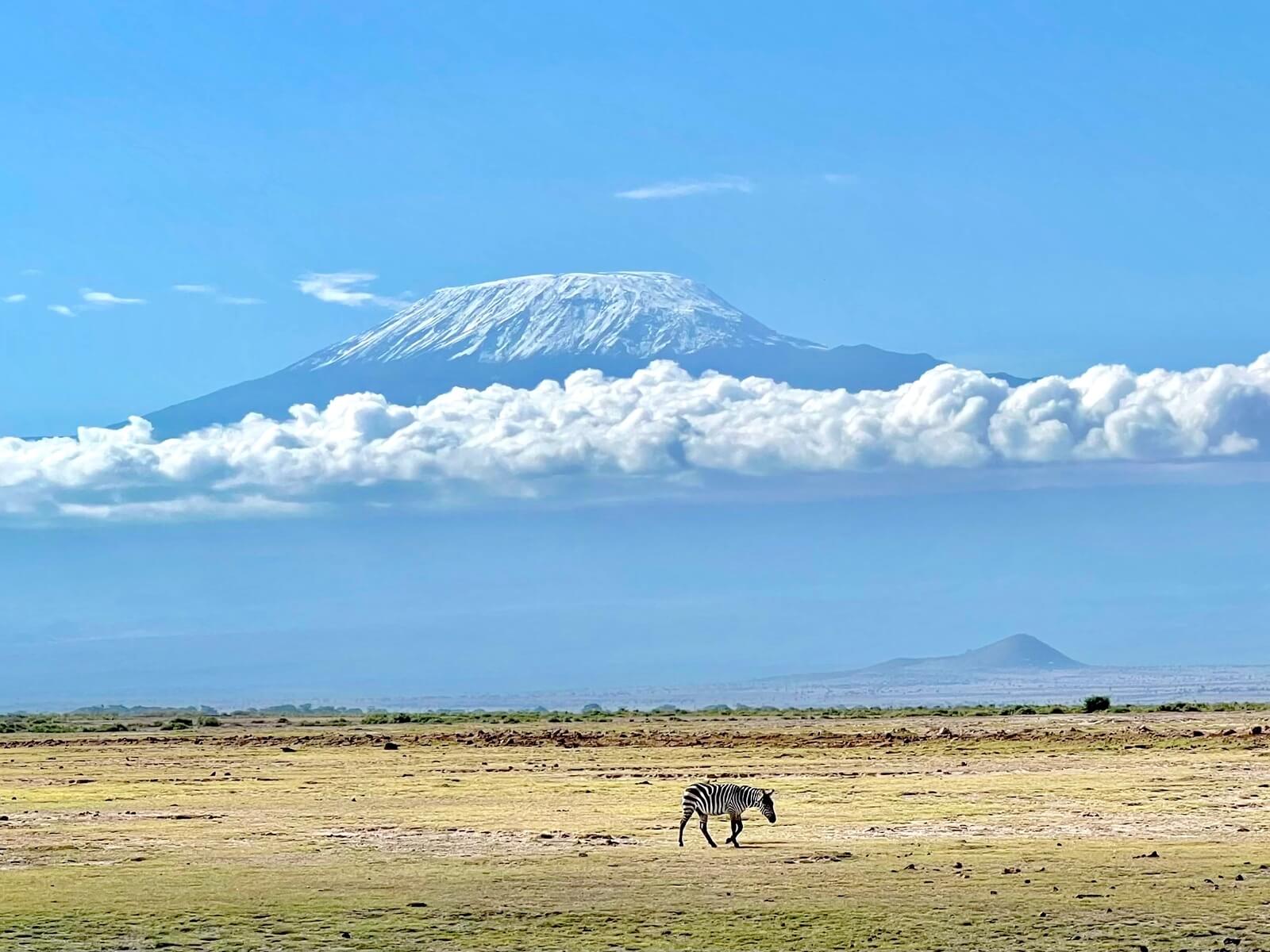
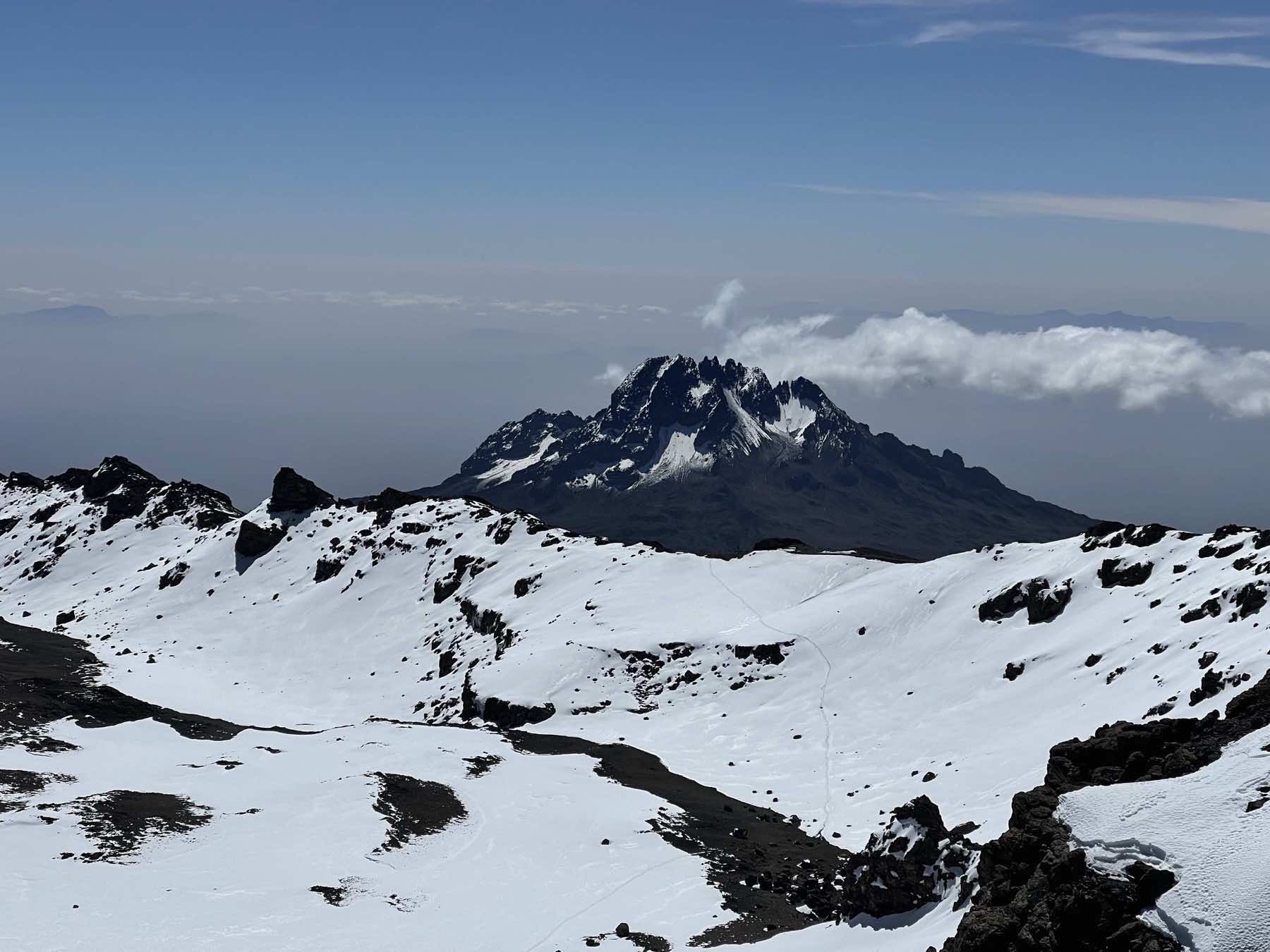
Вершина могучего вулкана Килиманджаро — пик Ухуро, на которую нога человека впервые вступила 5 октября 1889 года. Эту гору первыми смогли покорить немец Ганс Майер и австриец Людвиг Пуртчелер. После этого все альпинисты мира как обезумевшие стали съезжаться в Танзанию, надеясь повторить подвиг двух знаменитых альпинистов. Не нужно думать, что само восхождение на Килиманджаро требует каких-то особых навыков и опыта, присущих альпинисту, тяжелого снаряжения и всевозможной техники. Нет, для достижения наивысшей точки – Пика Ухуро, нужно обладать просто хорошей физической подготовкой и, конечно, выносливостью.
Восхождение на Килиманджаро по маршруту Марангу является одним из наиболее популярных вариантов выбора. Этот маршрут является достаточно продолжительным (68 км), давая возможность провести плавную акклиматизацию. Вкупе с комфортным размещением в домиках это делает его максимально подходящим для тех, кто не имеет опыта высотных восхождений.
Восхождение на вершину Килиманджаро по маршруту Марангу обычно занимает 5 или 6 дней. Нашим клиентам мы рекомендуем именно 6-ти дневную программу с одной дополнительной ночевкой на 4000 метров, так как среднему человеку быстрее акклиматизироваться для такой высоты обычно трудно. Восхождение на Килиманджаро по маршруту Марангу также предлагает путешественнику более красивые пейзажи, чем другие маршруты, с возможностью увидеть различные экосистемы, в том числе тропические леса, саванны, альпийские зоны и ледники.
Однако, как и любое высотное восхождение, восхождение на Килиманджаро по маршруту Марангу является физически и психологически непростым испытанием и требует подготовки. Важно, чтобы вы имели хорошую физическую форму, были внимательны к мелочам, желателен опыт треккинга. Также необходимо уделить внимание правильному питанию и питьевому режиму, особенно в жаркий сезон в первой половине маршрута и в любой из сезонов на высоте, чтобы избежать высотной болезни. Подробная статья о том, какой сезон выбрать для восхождения на нашем сайте. Подробнее о том, как тренироваться, чтобы с легкостью взойти на Килиманджаро — здесь.
Мы также проводим не менее наполненный впечатлениями тур на Килиманджаро по маршруту Мачаме.
Программа восхождения на Килимажаро с гидом по маршруту Марангу
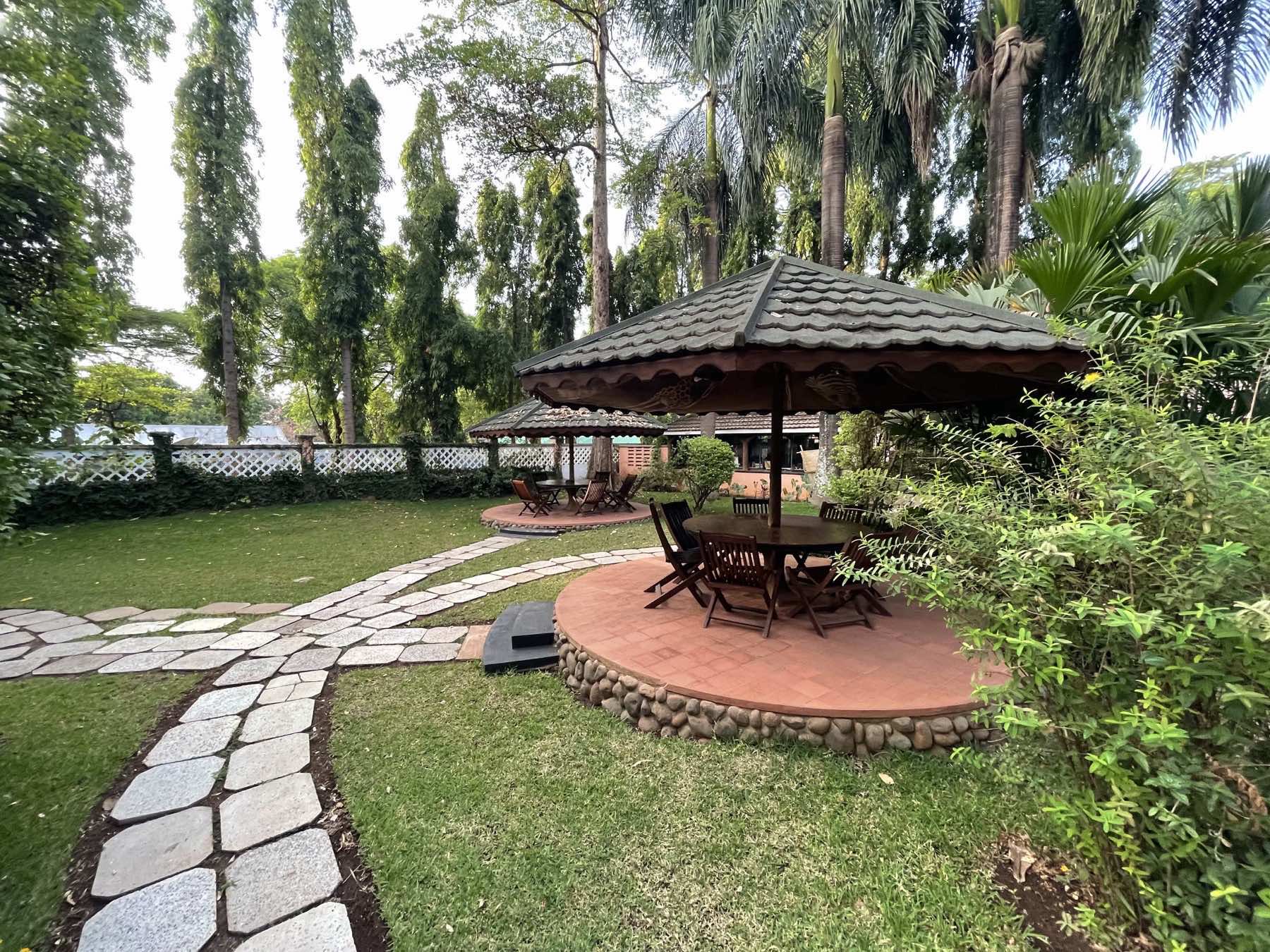
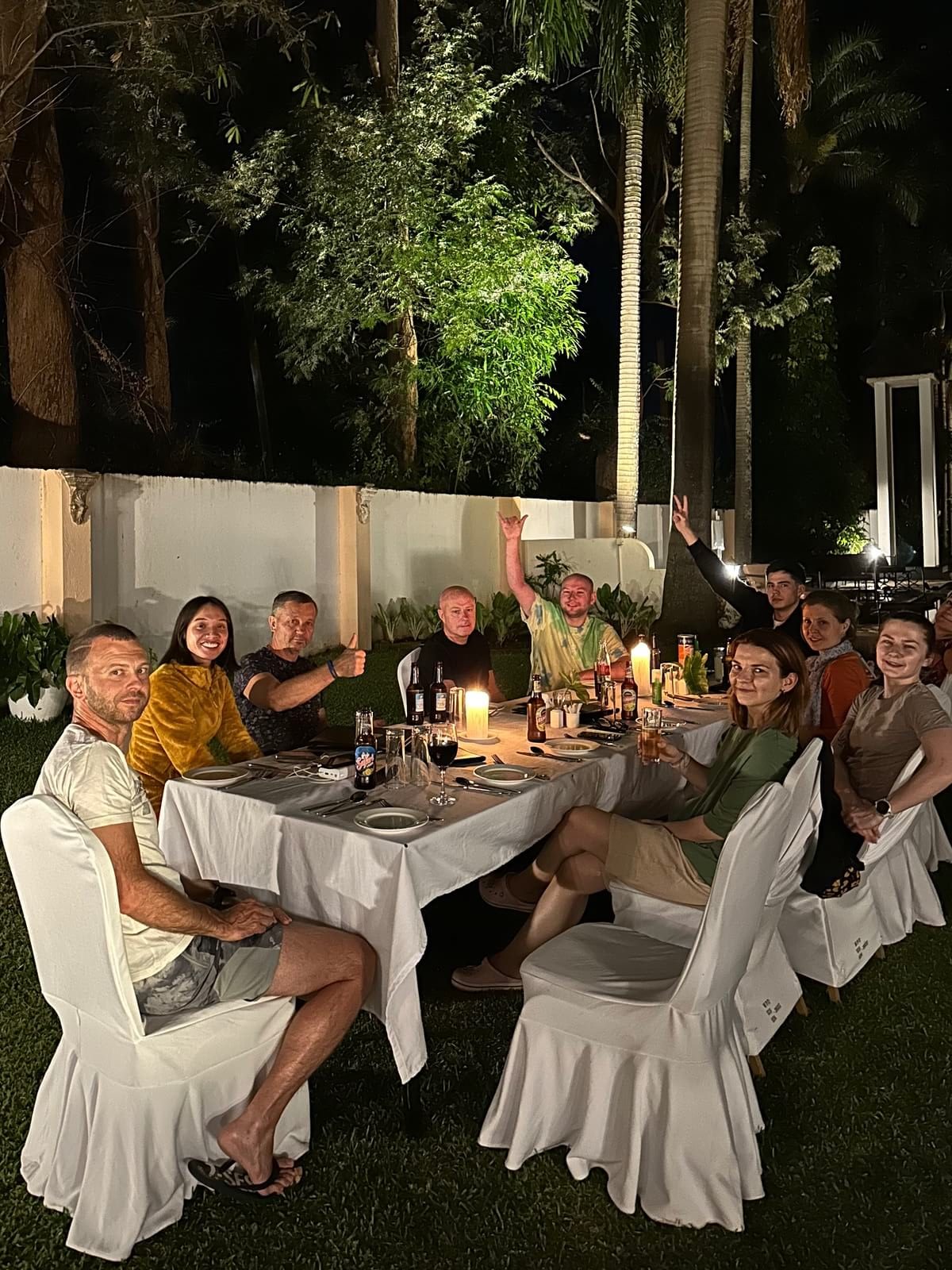
День 1. Встреча в аэропорту города Аруша в Танзании и трансфер в отель в городе Моши. Если Вы прилетаете в аэропорт города Найроби в Кении, то необходим самостоятельный автобусный переезд (местный транспорт) в город Аруша или сразу в город Моши в отель (при необходимости мы поможем заказать индивидуальный трансфер Наироби-Моши). Общее время переезда из Наироби около 5 часов. Прибывшую на место группу встречает наш представитель. Размещение в 3* отеле с удобствами в городе Моши, ужин. Группа проходит инструктаж по предстоящему восхождению, подготавливает необходимое снаряжение. Ночь в отеле.
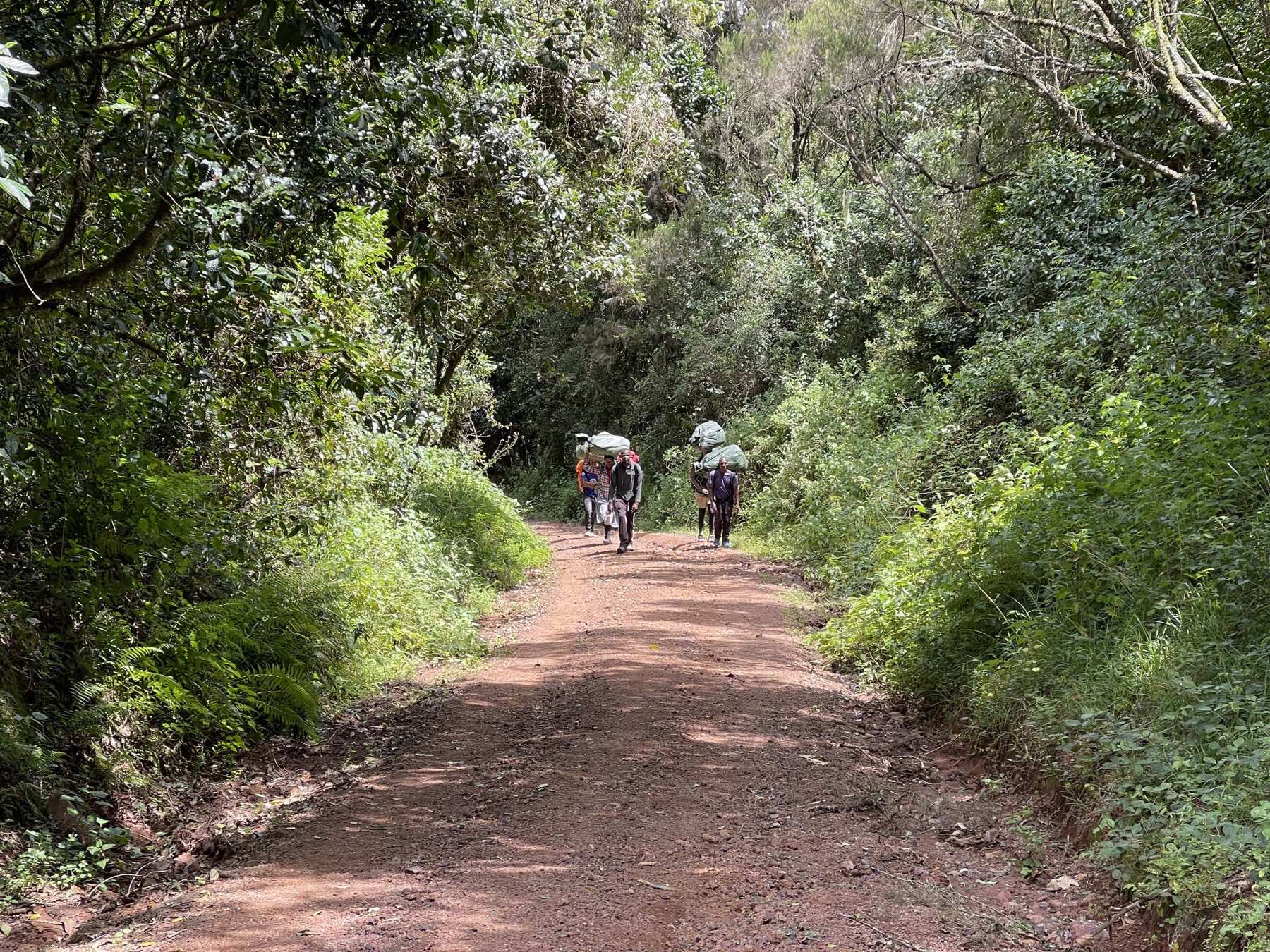
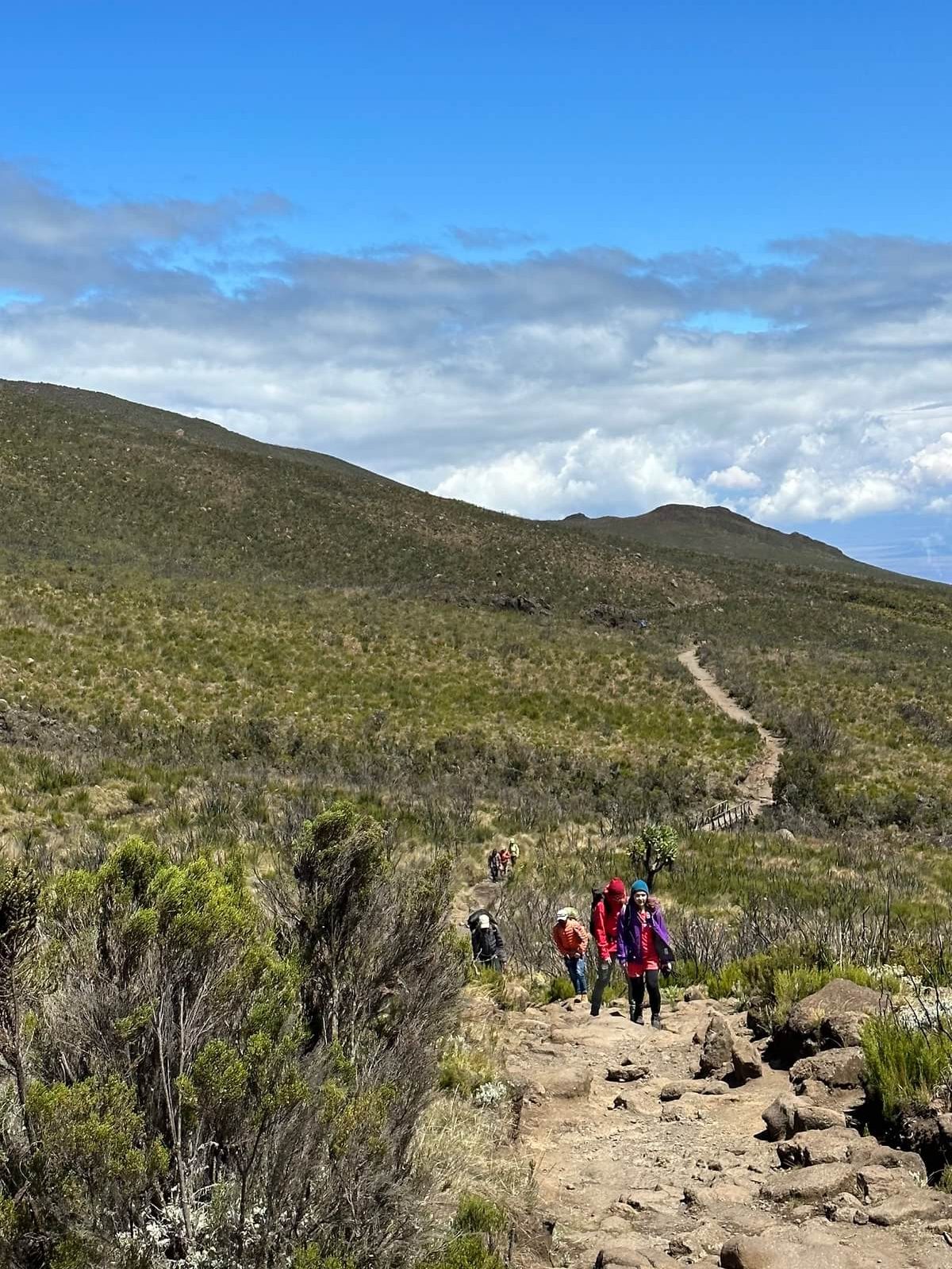
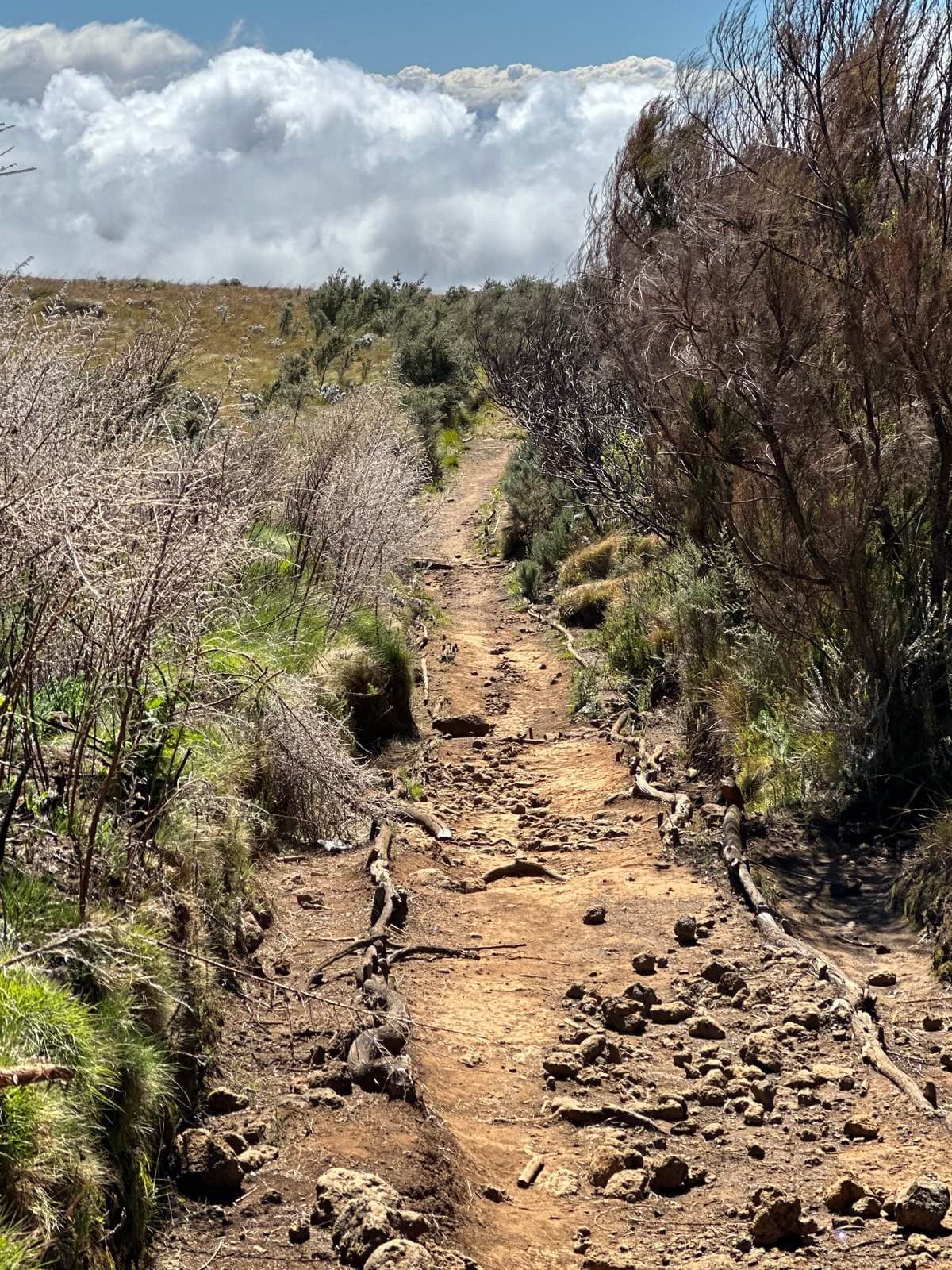
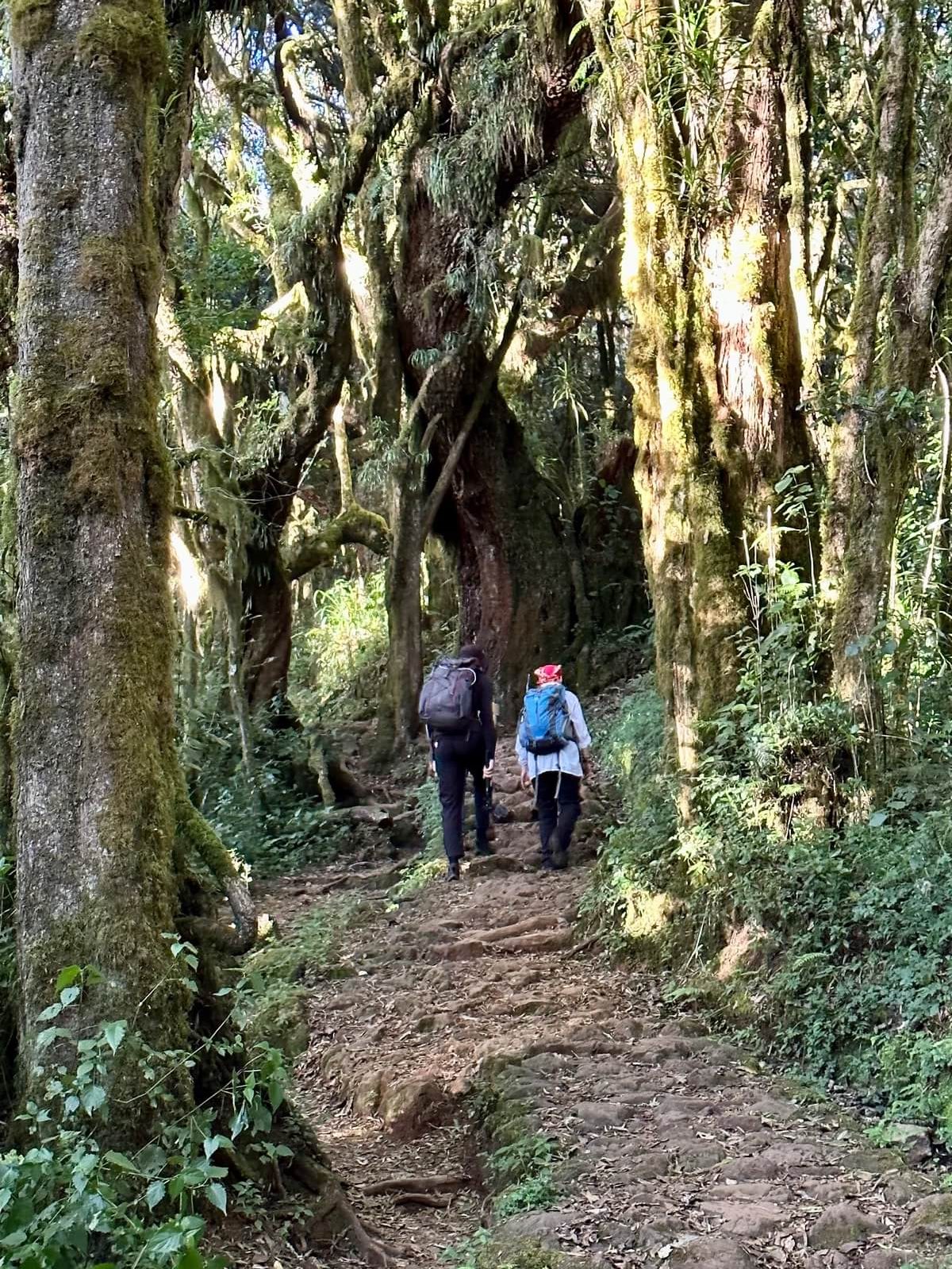
День 2. Трансфер к воротам Марангу (начальная точка тропы находится на высоте 1980 м). Группа проходит все необходимые офрмления, распределяет необходимое снаряжение и личный груз (не должен быть тяжелее 20 кг) по носильщикам. Выдвигаемся и следуем до Мандара Хат – лагеря, находящегося на высоте 2700 м. Протяженность дороги составляет 12 км и занимает 5 часов пути, в течение которых мы сможем наблюдать живописный тропический лес, проходящий по пологому гребню. Здесь также существует еще одна тропа. На нее можно выйти, свернув влево сразу после входа в заповедное место. Эта тропа идет вдоль течения реки и через 1,5 часа пути она снова выводит на главную тропу. Точкой привала является лагерь Мандара, размещение в деревянных хижинах.
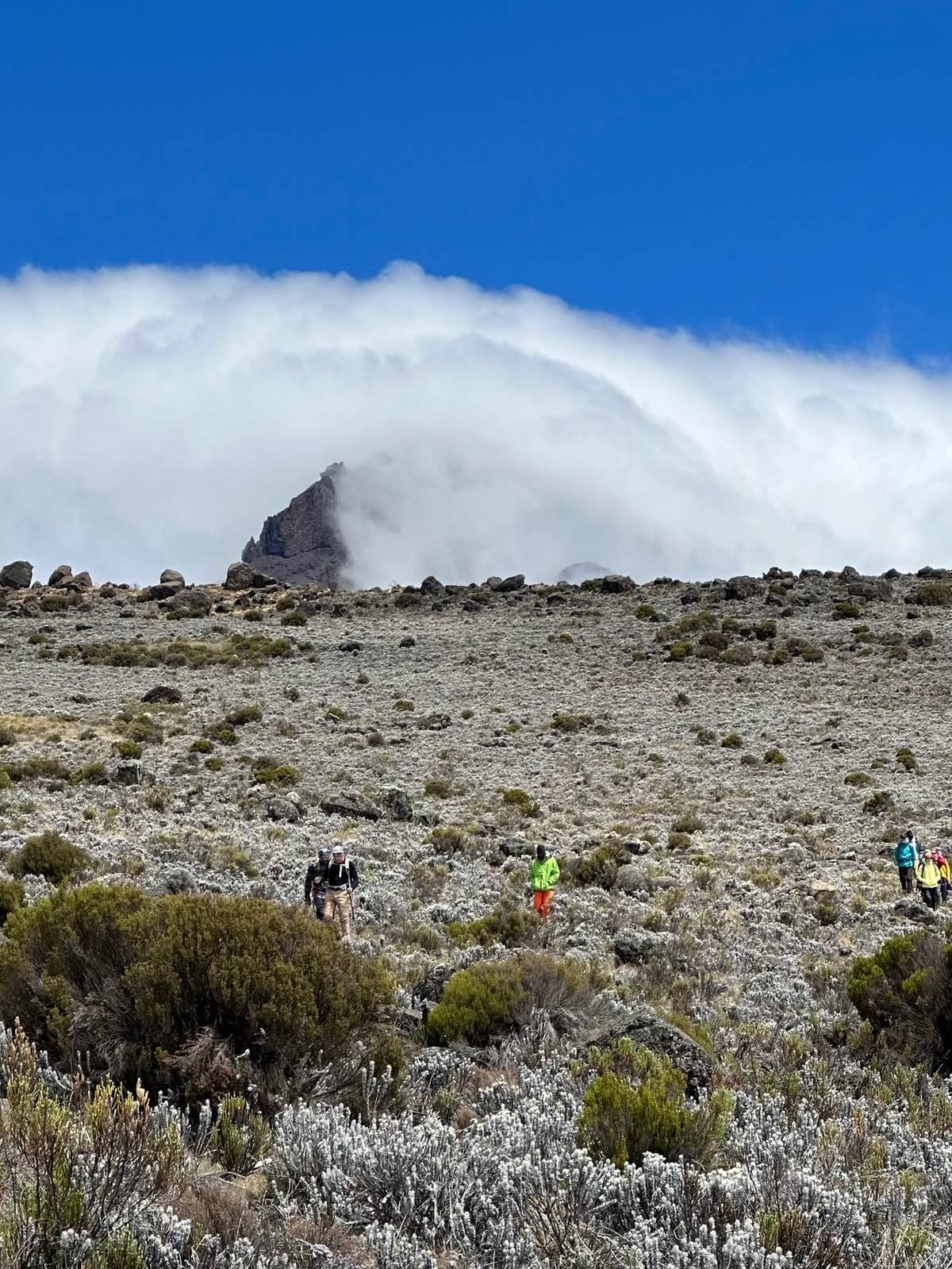
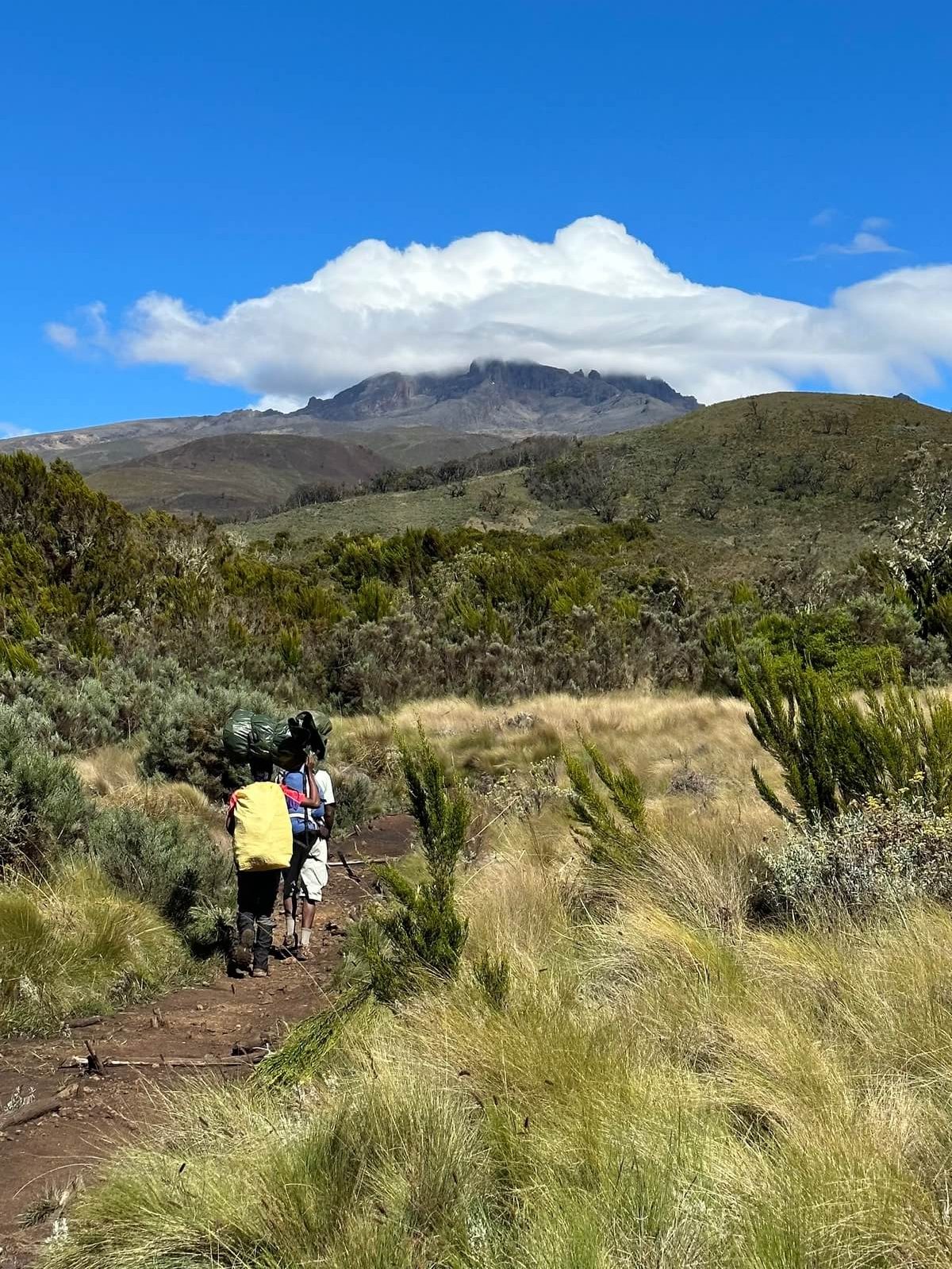
День 3. Путь до лагеря Хоромбо Хат (подъем на высоту 3720 м). 15 км пути занимает примерно 6 часов. Тропа ведет через таинственную гущу леса, огибает кратер Маунди. Именно здесь можно заметить кратер Кибо, восхождение к которому и является намеченной целью покорителей вершин. Дальше тропа идет через альпийские луга удивительной красоты, на которых растут огромнейшие лобелии и крестовники, их высота достигает целых 6 метров! Точкой привала является лагерь Хоромбо, размещение в деревянных хижинах.
День 4. День отведен для акклиматизации. Это помогает избежать горной болезни или уменьшить ее проявления. Рекомендуется сделать небольшой четырехчасовой маршрут: преодоление Зебровых скал – достижение лагеря Мавензи и спуск обратно в Хоромбо. Размещение в деревянных хижинах.
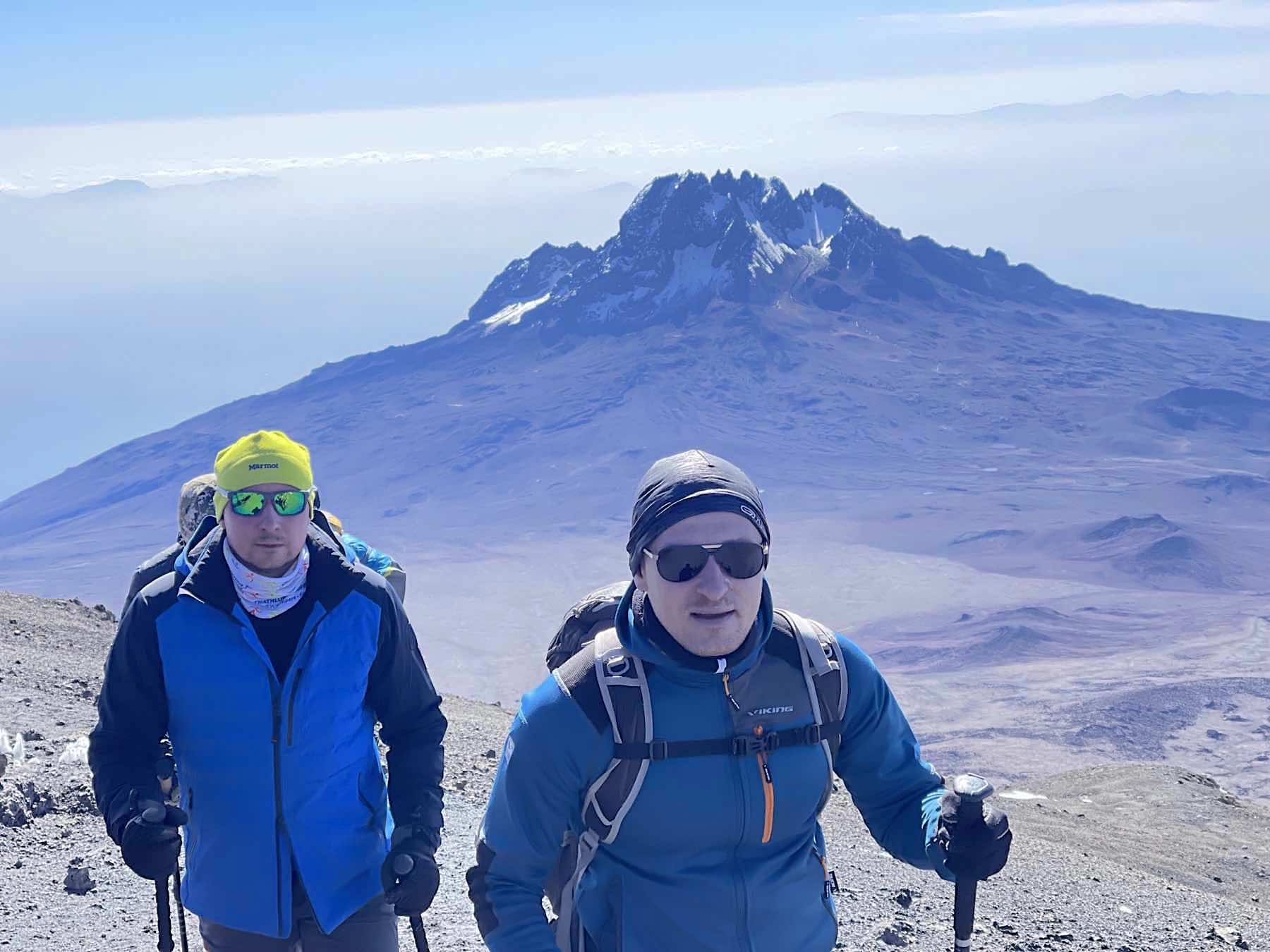
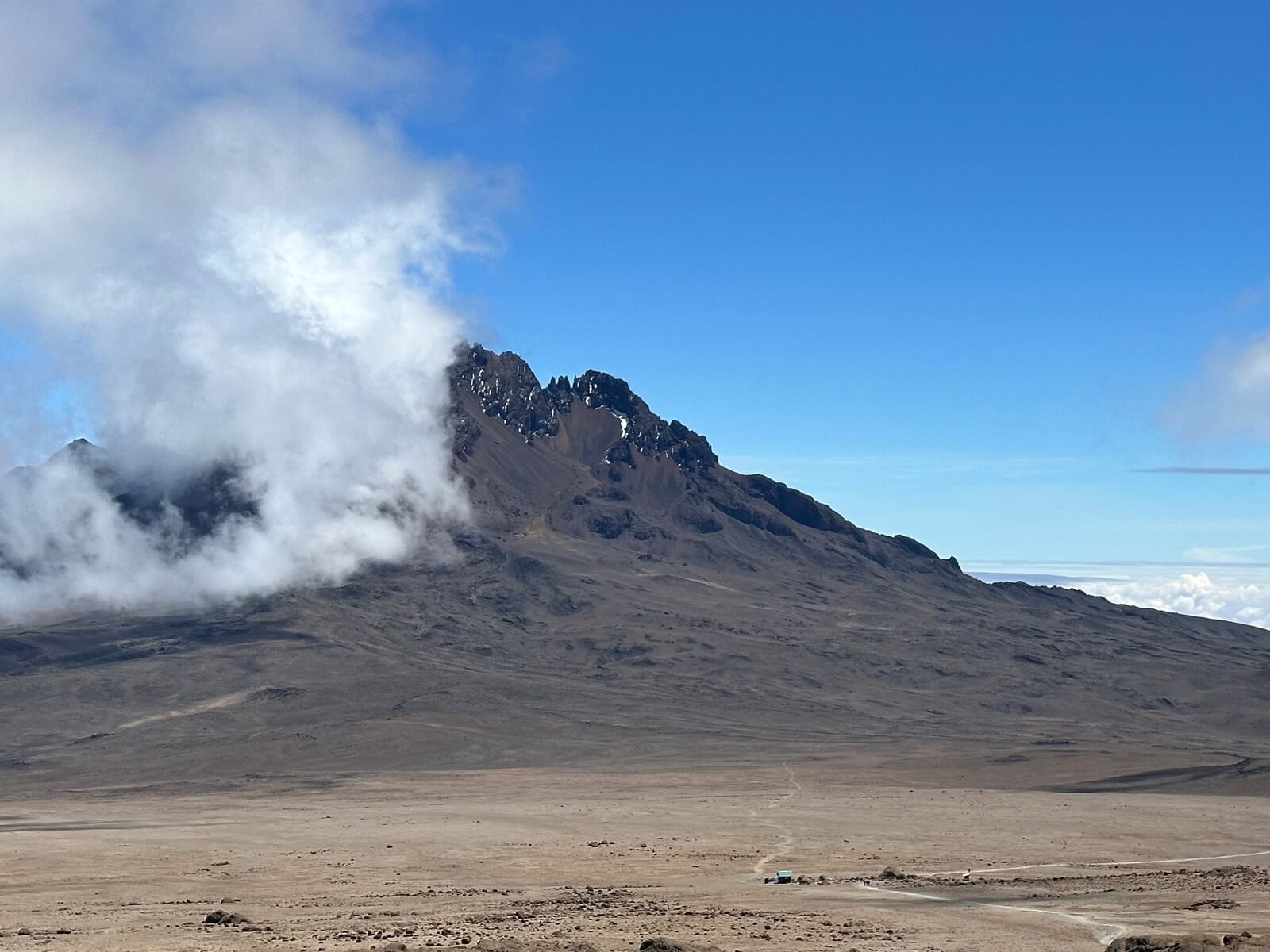
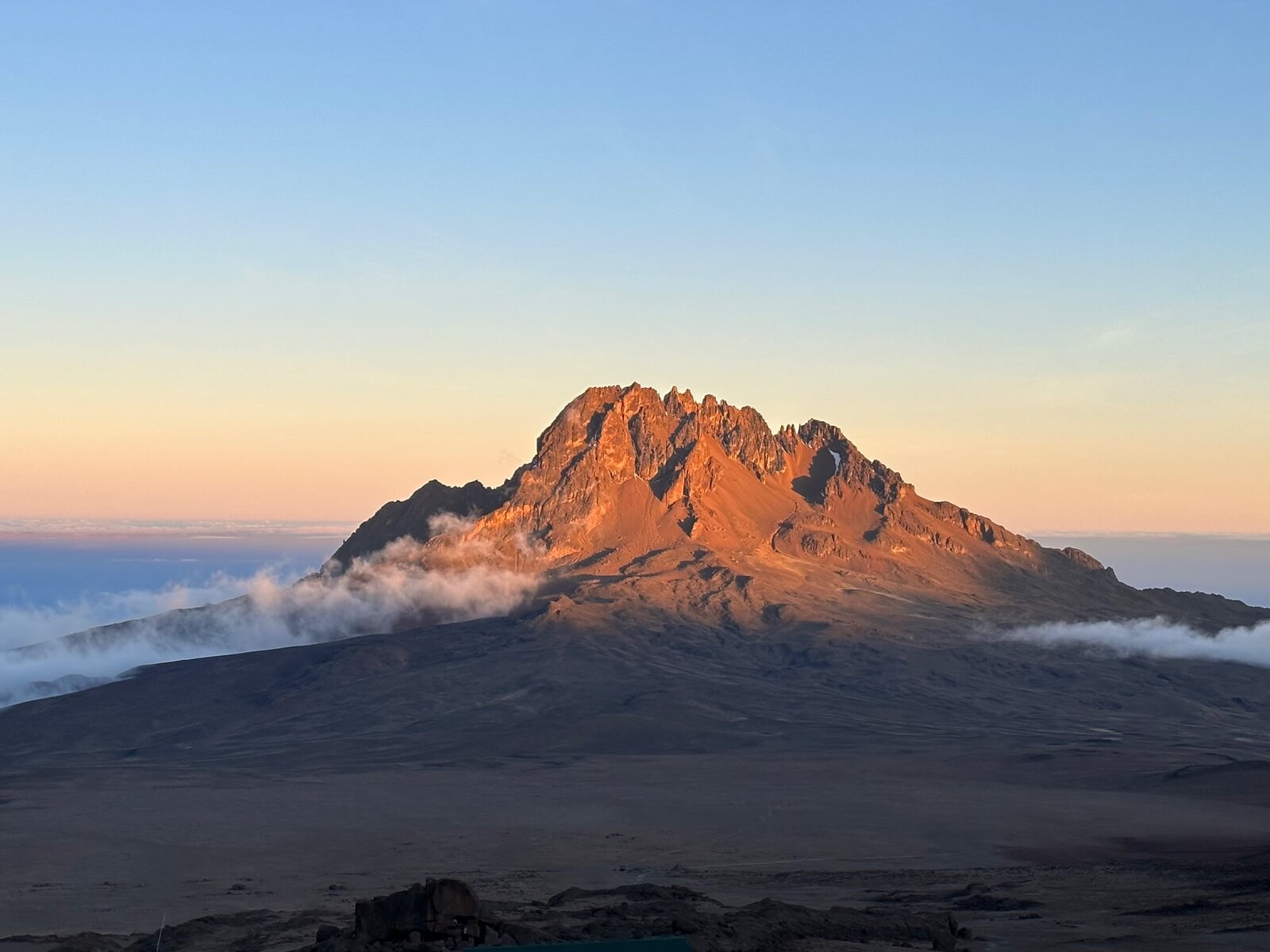
День 5. Путь до лагеря Кибо Хат (подъем на высоту 4700 м). 15 км пути занимает примерно 6 часов. по пути нас будут сопровождать альпийская полупустынная и каменистая местность. От лагеря Мавензи, который встречается по пути к лагерю Кибо, отходит дополнительная тропа, которая на порядок легче и короче на один час. Ею наверняка заинтересуются восходители, которые в предыдущий день уже изведали стандартный путь в день акклиматизации. Точкой привала является лагерь Кибо. Отдых перед штурмом до полуночи. Размещение в деревянных хижинах.
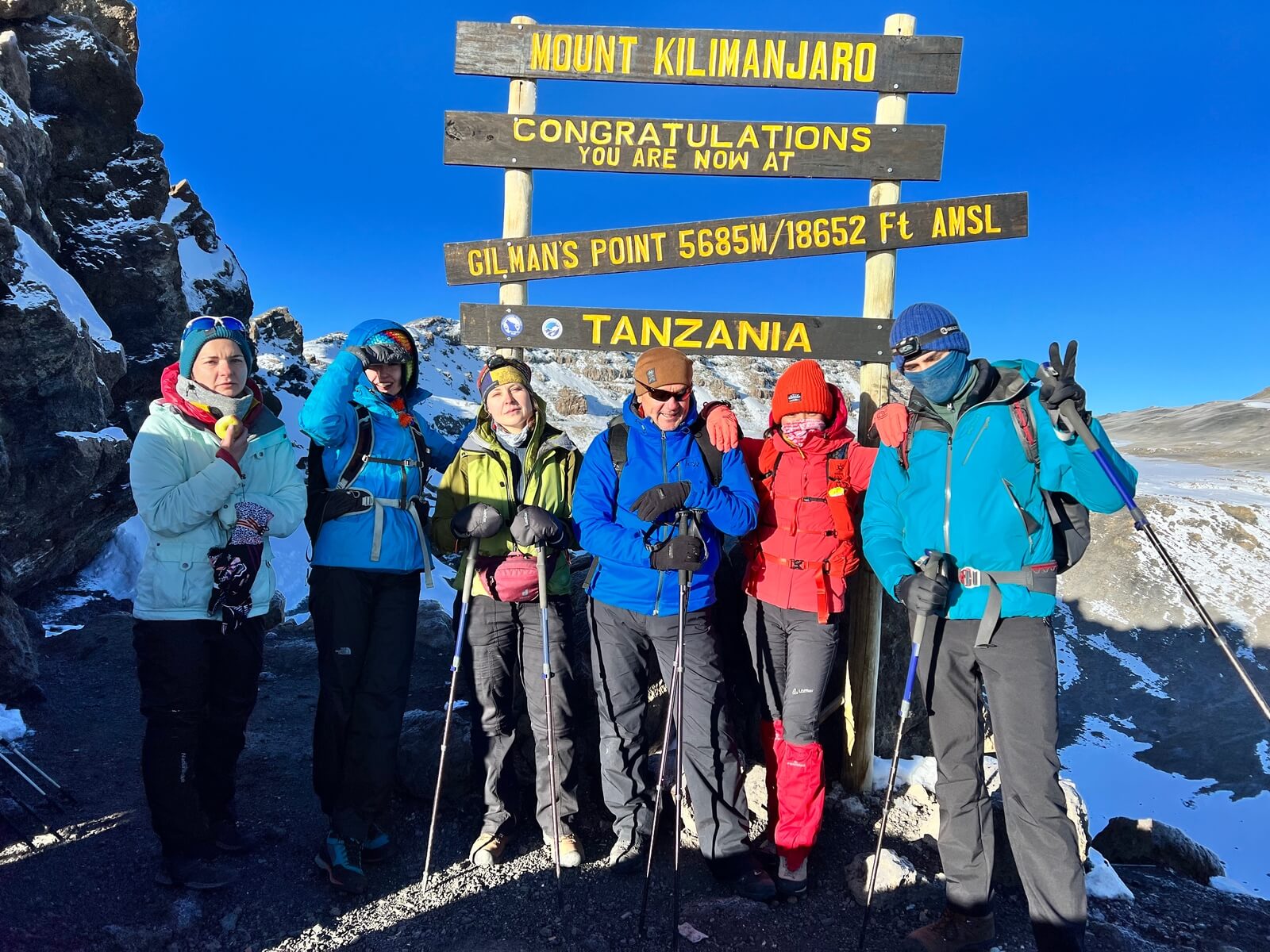
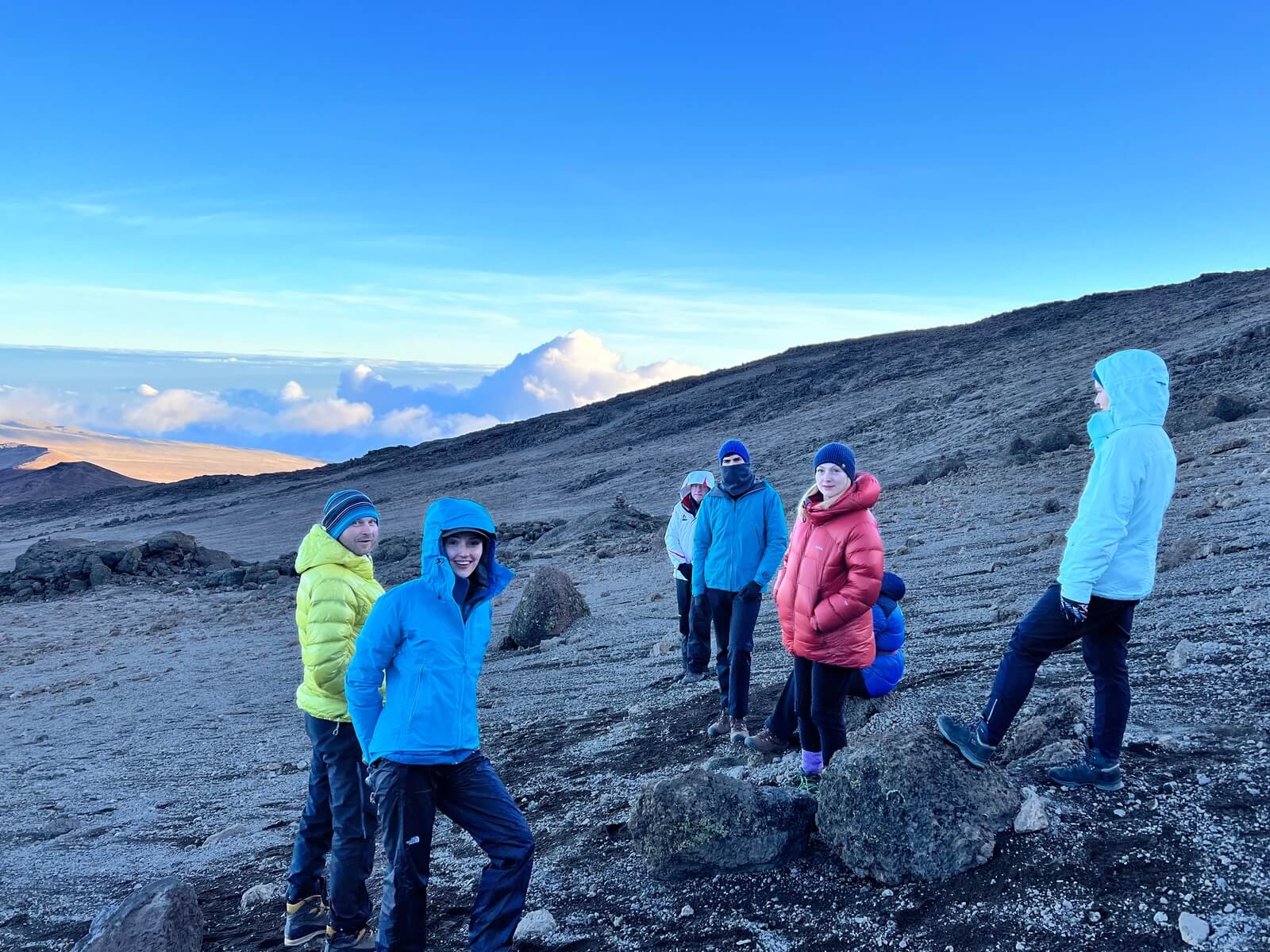
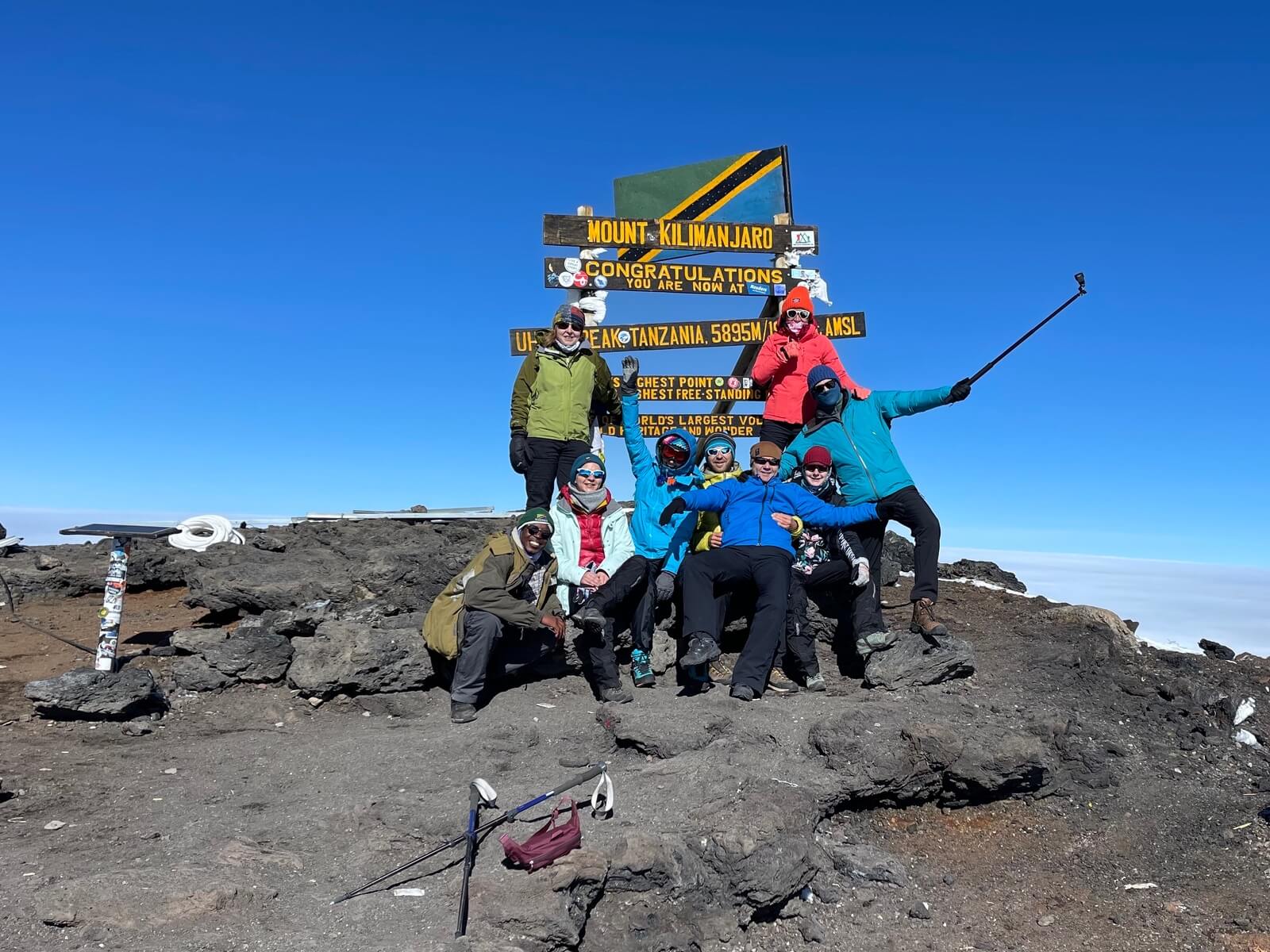
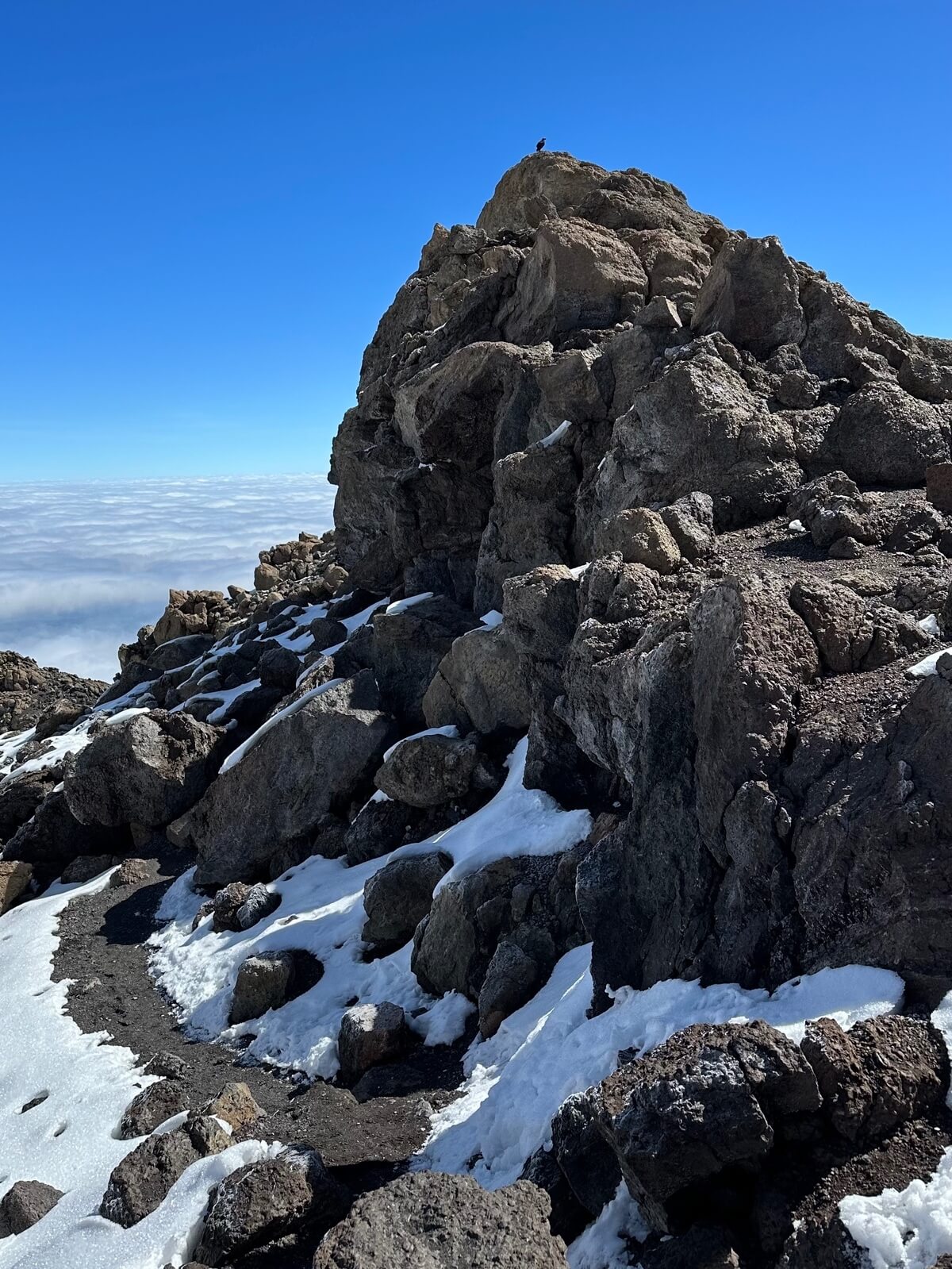
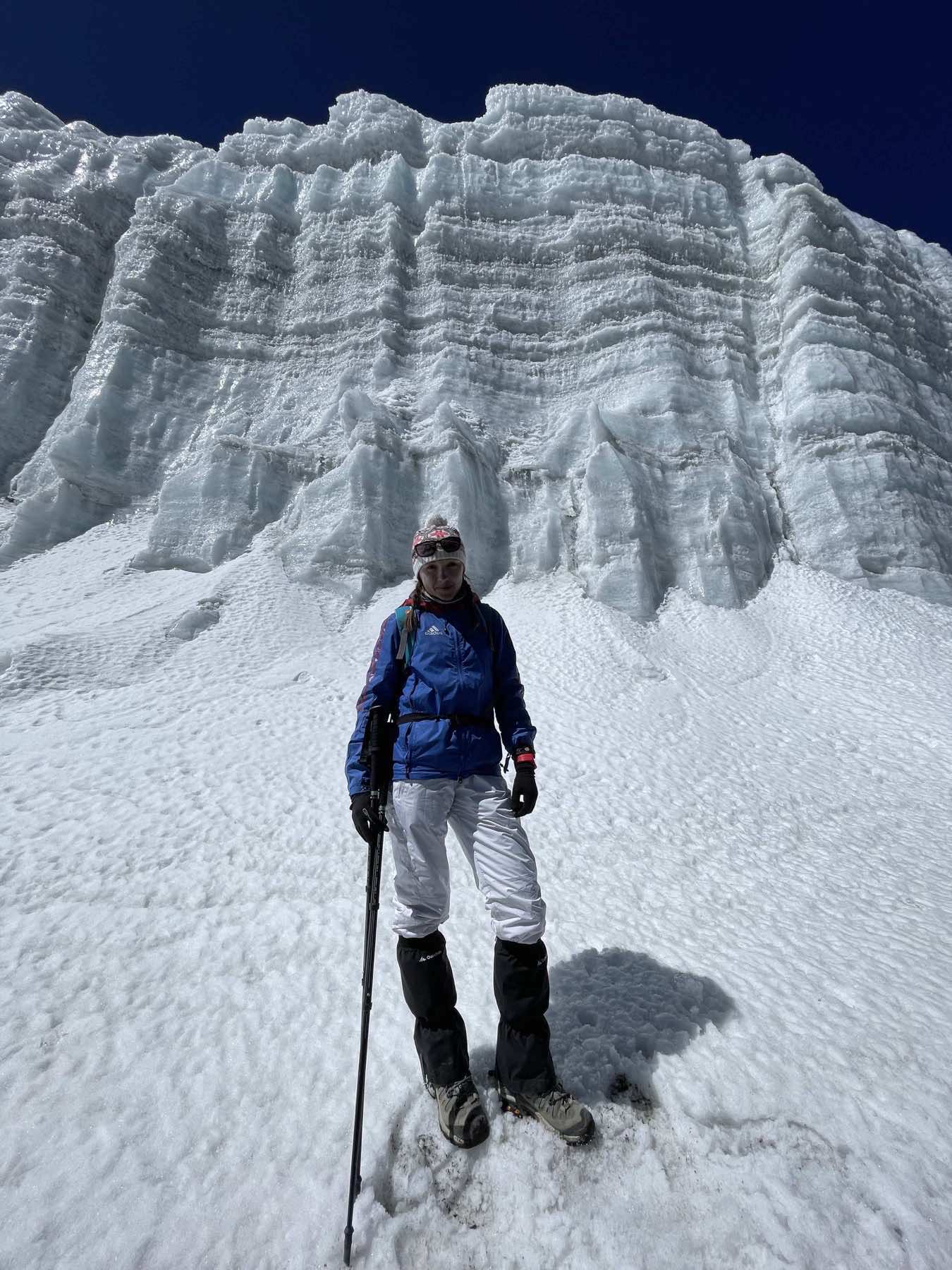
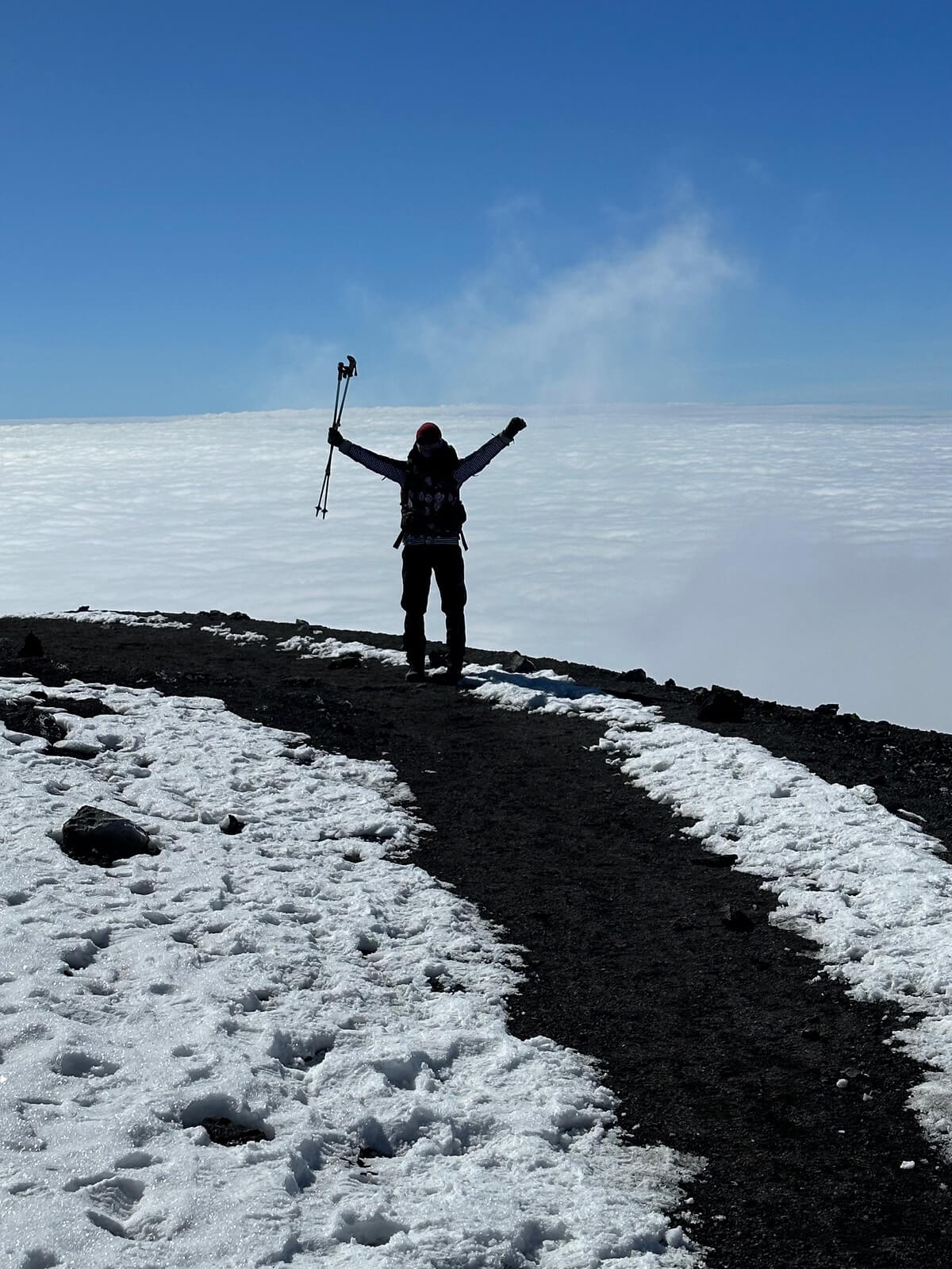
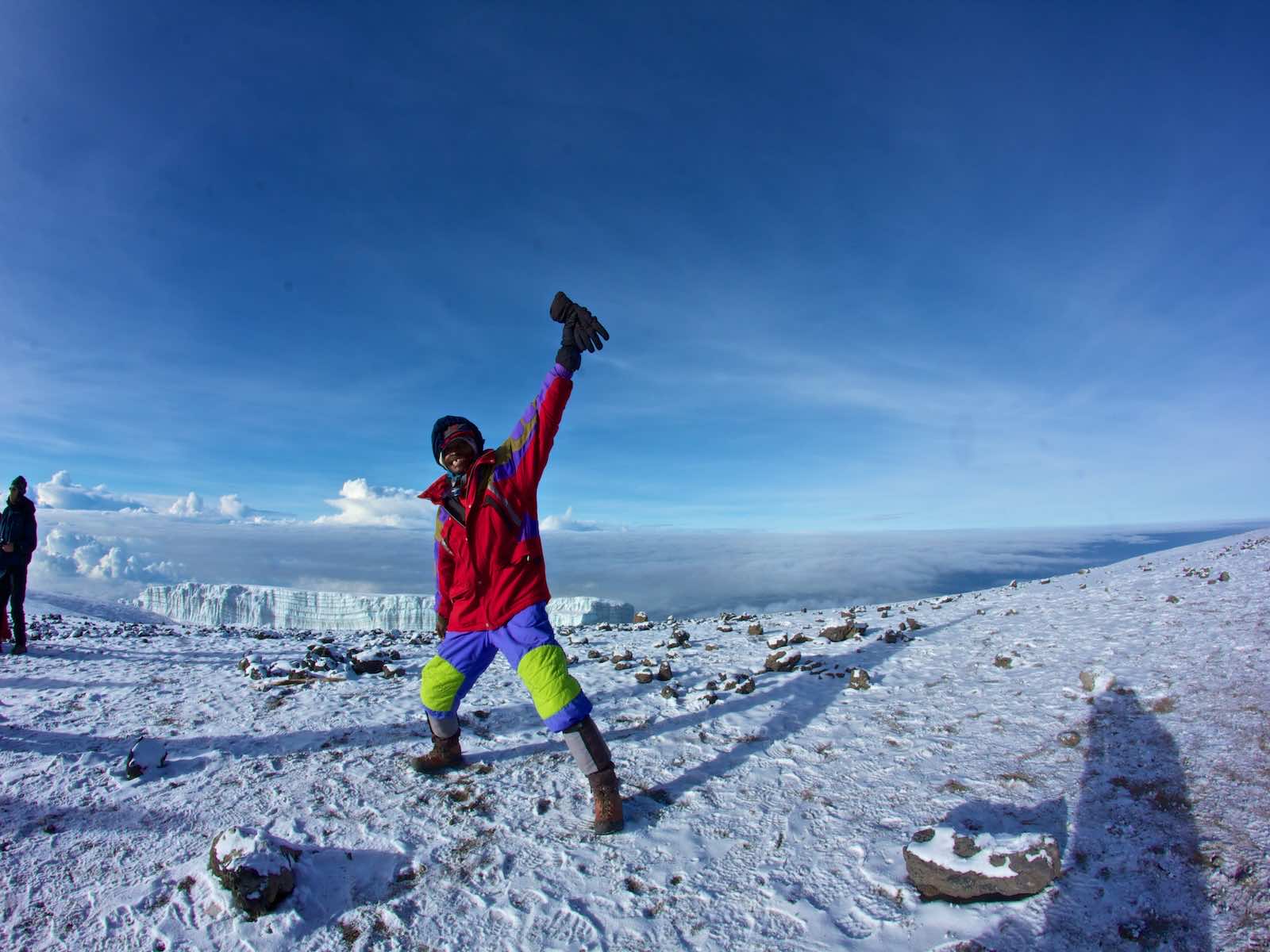
День 6. Восхождение на Килиманджаро. Время штурма варьируется около 5-7 часов. Рассвет мы уже встречаем, находясь на высочайшей точке Африки – пике Ухуро. Высота над уровнем моря составляет 5895 м. Желающие могут опуститься в кратер на 100 метров, пройти по ледникам. Далее идет спуск обратно в лагерь Кибо Хат, собираем лагерь. Продолжается 5-6 часовой путь вниз до лагеря Хоромбо Хат (спуск на высоту 3720 м). Точкой привала является палаточный лагерь Хоромбо Хат, размещение в деревянных хижинах.
День 7. Спускаемся к финишу своего пути восхождения – воротам Марангу (высота 1980 м). 27 км пути занимает примерно 6 часов. Тропа ведет нас мимо лагеря Мандара, который сменяет тропический изумительный по красоте лес. По окончанию своего пути участники группы, добравшиеся до вершины, получают сертификат, свидетельствующий о факте восхождения на одну из самых высоких точек Африки. Сертификаты здесь выдаются двух видов: золотой – для покорителей Пика Ухуро, и зеленый – для тех, кто смог добраться до Пика Гилмана. Далее мы прощаемся с обслуживающим персоналом. Хорошим тоном является оставление им чаевых. Переезжаем в 3* отель с удобствами – город Моши. Остальное время отводится на отдых. Размещение в отеле.
День 8. Трансфер в аэропорт. Вылет.
Включено в стоимость восхождения на Килиманджаро
- Русскоговорящий трек-лидер с большим опытом восхождений
- Трансфер аэропорт Килиманджаро – отель – аэропорт Килиманджаро
- Размещение в отеле 3* в Моши (2 ночи) при 2х местном размещении на базе завтраков
- Все переезды по программе
- Разрешение на посещения нац. парка Килиманджаро/пермит на восхождение
- Услуги местного англоговорящего гида
- Услуги повара, носильщиков
- Размещение в домиках во время восхождения
- Полный пансион (завтраки, обеды, ужины) во время восхождения
Не включено в стоимость восхождения на Килиманджаро
- Авиабилет до Килиманджаро (Танзания)
- Трансфер Наироби-Моши-Наироби
- Альпинистская страховка
- Танзанийская виза. Настоятельно рекомендуем онлайн оформление визы заранее https://visa.immigration.go.tz/
- Обеды и ужины в отеле до и после восхождения
- Одноместное размещение (60 за ночь с человека)
- Обязательные чаевые после восхождения (150-250 USD с человека)
- Любые расходы, связанные с изменениями программы
Список снаряжения для восхождения на Килиманджаро по маршруту Марангу
Скачать PDFДокументы:
- Загранпаспорт
- Билеты на самолет
- Медицинская страховка
- Справка на английском языке о вакцинации от желтой лихорадки
Личное снаряжение:
- Рюкзак. 40-50литров
- Спальник, температура комфорта от 0С.
- Коврик
- Треккинговые палки
Одежда и обувь:
- Ботинки треккинговые
- Кроссовки (для городов)
- Непромокаемый слой – Куртка+брюки. Индустрия предлагает целый ряд изделий от простых мембан 5000/5000 до изделий из Gore-Tex
- Флисовый костюм
- Термобелье верх+низ
- Пуховка
- Перчатки толстые
- Перчатки тонкие
- Бандана (помимо защиты от Солнца в долине можно использовать для утепления горла или лица на морозе)
- Шапка
- Теплые треккинговые носки на день восхождения
Разное:
- Фонарик диодный на голову
- Очки солнцезащитные
- Лыжная маска-очки
- Термос – 1 литр. Желательно без кнопки в крышке
- Многоразовая бутылка
- Баул для вещей, который отдадите носильщику
- Маска ветрозащитная на нижнюю часть лица (с некоторой долей успеха можно заменить шарфом)
- Гамаши
- Крем от Солнца, гигиеническая помада
- Репелленты от комаров
- Лекарства о малярии https://mountainguide.ru/2024/02/12/malyariya-kak-ne-zabolet/
- Химические грелки (не обязательно, но могут оказаться очень полезными)
- Личная аптечка
- Эластичный бинт и/или поддерживающий бандаж
- Таблетки от малярии
- Репеллент